
Florida Amendment 3: What Boca Raton Homeowners Could Save in 2027
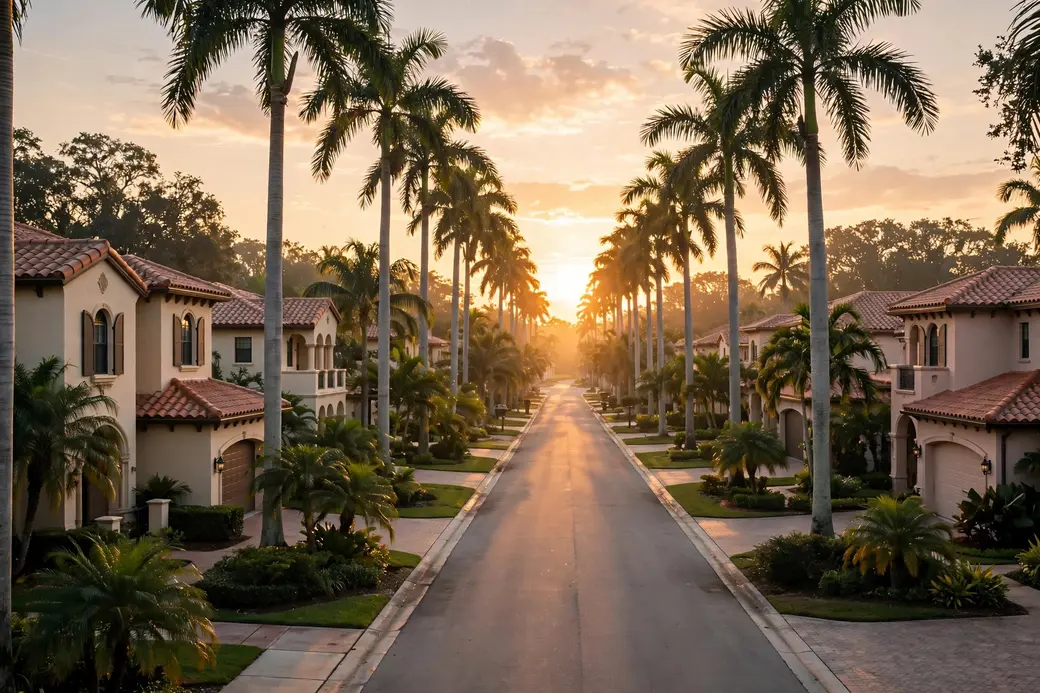
On November 3, 2026, Florida voters get to decide something that could change your property tax bill starting in 2027. The Florida Amendment 3 homestead exemption proposal is on the ballot, and because it would amend the state constitution, it needs 60% of the vote to pass. I've had buyers and sellers asking me about it all month, so here's what it actually does, in plain English — and what it would mean for your wallet if you own a home in Boca Raton.
What Amendment 3 Actually Does
Right now, Florida's homestead exemption lets a homeowner shield about $50,000 of their home's assessed value from non-school property taxes (that's county, city, and other local levies — the school portion is separate). Amendment 3 would raise that shield to $150,000 in 2027, and then to $250,000 in 2028, with inflation adjustments after that. School taxes stay exactly the same — this doesn't touch those.
The amendment does two more things worth knowing. It would lower the annual cap on assessment increases for non-homesteaded properties (think second homes and investment properties) from 10% to 5% a year — a meaningful protection for condo and home values in a rising market. And new Florida residents who arrive after December 31, 2026 would phase in: they'd wait until their fifth year of residency before getting the larger exemption. If it passes, it takes effect January 1, 2027.
What It Means for a Boca Raton Tax Bill
Here's the practical math. Say you own a home assessed at $800,000 in Boca Raton and it's your primary residence with homestead. Today, roughly $50,000 of that value is exempt from the non-school portion of your tax bill. Under Amendment 3, that exempt portion jumps to $150,000 in 2027 and $250,000 in 2028.
That's a much bigger slice of your home's value off the taxable base — and the non-school levies in Palm Beach County are a real chunk of the total bill. I won't promise a specific dollar figure, because millage rates and assessment details vary from property to property, but directionally this is one of the larger homestead tax breaks Florida homeowners have ever been offered. The second-home provision matters here too: a lot of Boca buyers maintain a primary residence up north. That 10%-to-5% assessment cap change could smooth out the year-to-year tax surprises on a second home or investment property, which has been a real concern for out-of-state owners.
If you're curious what your home's current tax picture looks like ahead of the vote, run the numbers with me — my free home valuation page at ericlevypa.com/evaluation is a good place to start the conversation.
Who Benefits Most
The short answer: full-time Florida residents with homestead, especially in higher-value markets like Boca Raton and Highland Beach. The bigger the gap between your home's assessed value and the exemption, the more the increase saves you, because every exempt dollar shields you from the full non-school millage rate. Long-time homestead owners with Save Our Homes protection will see additional benefit layered on top.
Buyers planning a move to Florida should pay attention to the timing rule. Arrive before the end of 2026 and establish homestead, and you're in the normal pipeline. Move down in 2027 or later, and you're on the five-year phase-in before the larger exemption applies to you. That's a legitimate factor to weigh if you're deciding between a fall 2026 closing and a 2027 one — and it's exactly the kind of thing I talk through with my relocating buyers.
What Supporters and Critics Say
Because this is a ballot measure, you deserve both sides — attributed, not editorialized. Supporters, led by Florida Realtors (the trade association funding the campaign), say the amendment delivers meaningful tax relief to homeowners who are already facing higher insurance, housing, and living costs, and that it encourages fiscal discipline at the local level. Critics — including the Florida League of Cities and organizations representing sheriffs, firefighters, and police — warn that shrinking the property-tax base could reduce local-government revenues by billions of dollars a year, putting pressure on budgets for public safety and other local services. State fiscal analysts have projected multi-billion-dollar annual revenue impacts if the measure passes; how individual counties and cities would respond isn't specified in the amendment itself.
What Happens If It Doesn't Pass
Then nothing changes. The homestead exemption stays where it is, the non-homestead cap stays at 10%, and your tax bill follows the same rules it follows today. Florida still has no state income tax, and the Save Our Homes 3% cap on homestead assessment growth still protects long-term residents — this is a proposed improvement on an already homeowner-friendly system, not a rescue from a broken one.
One more note, because this matters to me: I'm not telling anyone how to vote. My job is to make sure you understand what the measure does to your property taxes so you can decide for yourself. I've kept this non-partisan on purpose.
And a necessary disclaimer: I'm a real estate agent, not a CPA or tax attorney. Tax law is complicated and everyone's situation is different, so verify the details independently and talk to a qualified tax professional about how any of this applies to your property.
Frequently Asked Questions
Does the Florida Amendment 3 homestead exemption need 60% of the vote to pass?
Yes. Because Amendment 3 would change the Florida Constitution, it requires at least 60% voter approval on the November 3, 2026 ballot. A simple majority is not enough.
Does Amendment 3 change school property taxes?
No. School taxes are explicitly unchanged. The larger exemption applies only to non-school property taxes — county, city, and other local levies.
When would the larger homestead exemption take effect?
January 1, 2027, if voters approve it. The exemption would rise to $150,000 for 2027 and $250,000 for 2028, with inflation adjustments in later years.
I'm moving to Florida from out of state. Does the five-year wait apply to me?
If you arrive after December 31, 2026 and establish Florida residency, you would wait until your fifth year of residency before the larger exemption applies. Buyers closing before the end of 2026 would not be subject to the phase-in — one more reason to start your search now.
Would Amendment 3 help owners of second homes in Boca Raton?
Partially. The homestead portion doesn't apply to second homes, but the separate provision lowering the annual assessment-growth cap on non-homestead properties from 10% to 5% would give second-home and investment-property owners more predictable tax increases.
Keep Exploring
Categories
- All Blogs (26)
- Boca Raton Schools (1)
- Buy a home in Boca Raton (5)
- Home Types: Describe the different types of homes available in Highland Beach, from single-family ho (1)
- Listings (1)
- Market Insights: Offer up-to-date information on the Highland Beach real estate market, including me (2)
- Neighborhood Overview: Introduce readers to Highland Beach, FL and give them an overview of what it' (1)
- Real Estate Investing (3)
- Uncategorized (1)
Recent Posts


GET MORE INFORMATION

License ID: SL3313795