
Boca Raton Condo Special Assessments: The 2026 Buyer's Survival Guide
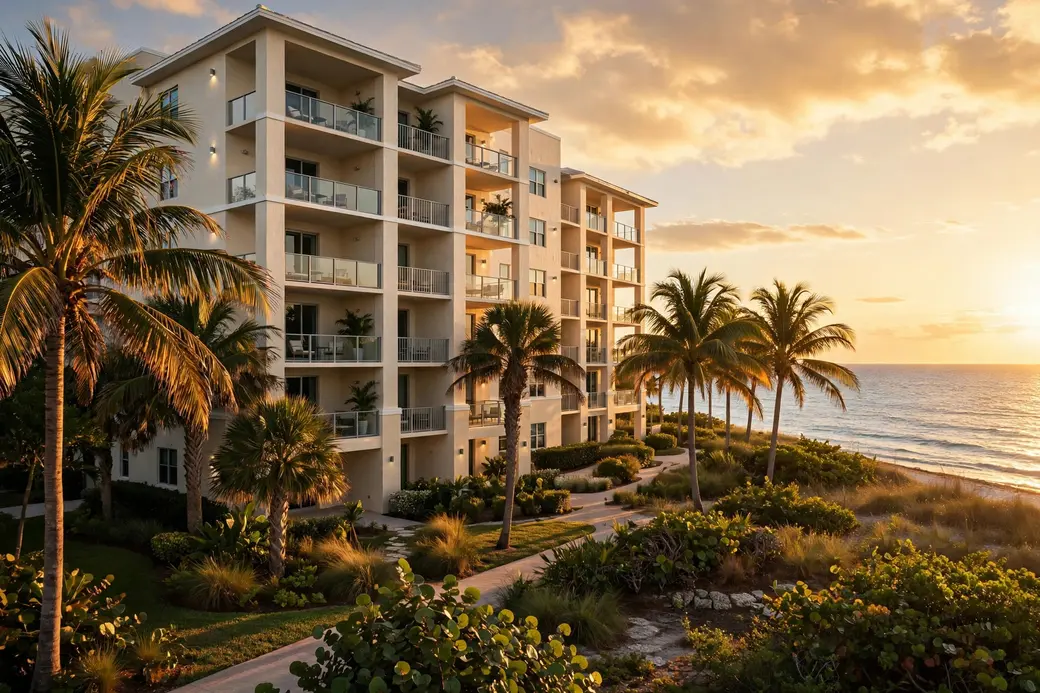
Boca Raton Condo Special Assessments: The 2026 Buyer's Survival Guide
By Eric Levy
If you're shopping for a condo in Boca Raton this year, you've probably seen the words “special assessment” in listing remarks or heard them whispered at an open house. Let me take the mystery — and the fear — out of it. Boca Raton condo special assessments are simply extra charges an association levies on owners, beyond regular dues, to fund major repairs or catch up on reserves. And right now, Florida's post-Surfside condo safety laws are pushing many buildings to finally fund work that was deferred for decades. Understand them, and you'll spot the best-managed buildings in town.
Why Boca Raton Condo Special Assessments Are Rising Right Now
Three things are converging at once.
First, after the 2021 Surfside condo collapse, Florida passed laws requiring older condo buildings to complete milestone structural inspections and to fund structural reserves through a formal study called a Structural Integrity Reserve Study (SIRS). Many Boca buildings — this city has a deep bench of condos built in the 1970s, 80s, and 90s — fall squarely in the age range these rules cover.
Second, for years, plenty of associations waived reserves to keep monthly dues low. That kicked the bill down the road, and the road just ended. Florida law now restricts associations from waiving reserves for structural components, so the catch-up is happening — and it's happening as special assessments.
Third, construction and insurance costs have climbed, so the repair bills land harder than they would have five years ago. The inspection and reserve mandates are the main engine, though. This isn't a Boca problem; it's a Florida problem. Boca just has a lot of condos, so you're hearing about it here first.
What an Assessment Actually Means for Your Wallet
A special assessment can be structured a few ways. Sometimes it's a lump sum due in 30 to 90 days. More often in Boca, it's spread over monthly or quarterly installments across several years — essentially a temporary bump in your carrying costs.
Here's the question that matters most in a transaction: who pays at closing? It's negotiable. In many deals, the seller pays or credits the buyer for assessments already passed. In others — especially when an assessment is only “discussed” but not yet levied — the buyer inherits the risk. Get it in writing, in the contract, and confirm the numbers on the estoppel certificate (more on that below).
And here's the reassuring part most buyers miss: a big assessment isn't automatically bad news. A building that's funding its reserves and completing its inspections is a healthier building. Low dues aren't a bargain — sometimes they're just a deferred bill.
The Documents You Must Review Before Buying
Florida gives condo buyers a rescission period to review documents for a reason. Use it. Here's what to read, and what to look for:
- The annual budget and reserve schedule. Are reserves actually being funded? Is there a line item for structural reserves? A budget with bare-minimum reserves is your first warning sign.
- The SIRS report, if completed. The Structural Integrity Reserve Study tells you what the engineers found and what the building must save. If it's not done yet, ask when it's scheduled.
- Board meeting minutes (the last year or two). This is where assessments get proposed, debated, and passed. Minutes reveal what the board is worried about — and what's coming.
- Financial statements. Look at the reserve balance versus the SIRS recommendations, and check the delinquency rate. A building where many owners are behind on dues is a building where assessments get harder to collect — and more likely to land on you.
- The estoppel certificate. This is the official, binding statement of what the seller owes: dues, fines, and any pending or passed special assessments. Lenders and title companies rely on it. So should you.
- The condo questionnaire. Your lender will order one; it covers litigation, owner-occupancy ratios, and pending assessments. Read your copy, not just the lender's summary.
When I'm working with buyers, I walk through these documents line by line. Browse current condo listings at ericlevypa.com/bocaraton, and when one catches your eye, we'll pull the docs together before you write a word.
Smart Questions to Ask the Association
Before you go under contract — not after — get answers to these:
- Has the milestone inspection been completed? What did the engineers find?
- Is the SIRS complete, and are structural reserves being funded per the study?
- Are there any passed, proposed, or even discussed assessments? (Passed matters for price; discussed matters for your future.)
- Is the association involved in any litigation, and what's the current delinquency rate?
- Are there major projects on the horizon — concrete restoration, roofing, plumbing, elevators — beyond what's already assessed?
A well-run association answers these plainly and hands you documents.
How a Good Local Agent Helps You Navigate This
This is where local experience earns its keep. I know which Boca buildings have completed their inspections and funded their reserves, and which ones are still working through the process. I order estoppels and questionnaires early — before you're emotionally committed — and I read them with you, translating board-speak into plain English.
I also build protection into your offer: clear language on who pays for passed versus pending assessments, and terms that let you walk away if the documents reveal something you didn't bargain for.
One important note: I'm a real estate agent, not an attorney. Condo documents and contracts are legal paperwork — have a Florida real estate attorney review them before you sign, and verify assessment figures against the estoppel certificate yourself.
The goal isn't to scare you out of a condo. Some of the best buys in Boca right now are in buildings that just finished their heavy lifting — reserves funded, inspections done, assessments behind them. If you're thinking of selling, see what your home is worth — buildings with clean inspection records are commanding a premium.
Frequently Asked Questions
What is a condo special assessment?
A special assessment is a one-time charge — or a series of installments — that a condo association levies on unit owners beyond regular monthly dues. It funds major capital projects or reserve catch-ups that the operating budget can't cover, like concrete restoration, roofing, or the structural reserve funding now required under Florida's post-Surfside condo laws.
Who pays a special assessment when a condo is sold — the buyer or the seller?
It's negotiable and must be spelled out in the contract. Typically, the seller pays or credits assessments already passed before closing. Assessments levied after closing fall to the new owner. The estoppel certificate is the binding record of what's owed at closing — always verify it.
Can the association hit me with an assessment after I buy?
Yes. If the board passes an assessment after you close, you pay your share. That's exactly why reviewing board minutes and the SIRS report before buying matters — they tell you what's likely coming, not just what's already passed.
Are condo special assessments tax deductible?
Generally, no — not on a personal residence. For an investment property, assessments for capital improvements may be added to your cost basis. Tax rules are specific to your situation, so check with your CPA before assuming anything.
Keep exploring
Categories
- All Blogs (32)
- Boca Raton Schools (1)
- Buy a home in Boca Raton (5)
- Home Types: Describe the different types of homes available in Highland Beach, from single-family ho (1)
- Listings (1)
- Market Insights: Offer up-to-date information on the Highland Beach real estate market, including me (2)
- Neighborhood Overview: Introduce readers to Highland Beach, FL and give them an overview of what it' (1)
- Real Estate Investing (3)
- Uncategorized (5)
Recent Posts






GET MORE INFORMATION

License ID: SL3313795